Đại Thành Sofa Frames

Sofa frames · DT743, Bình Dương

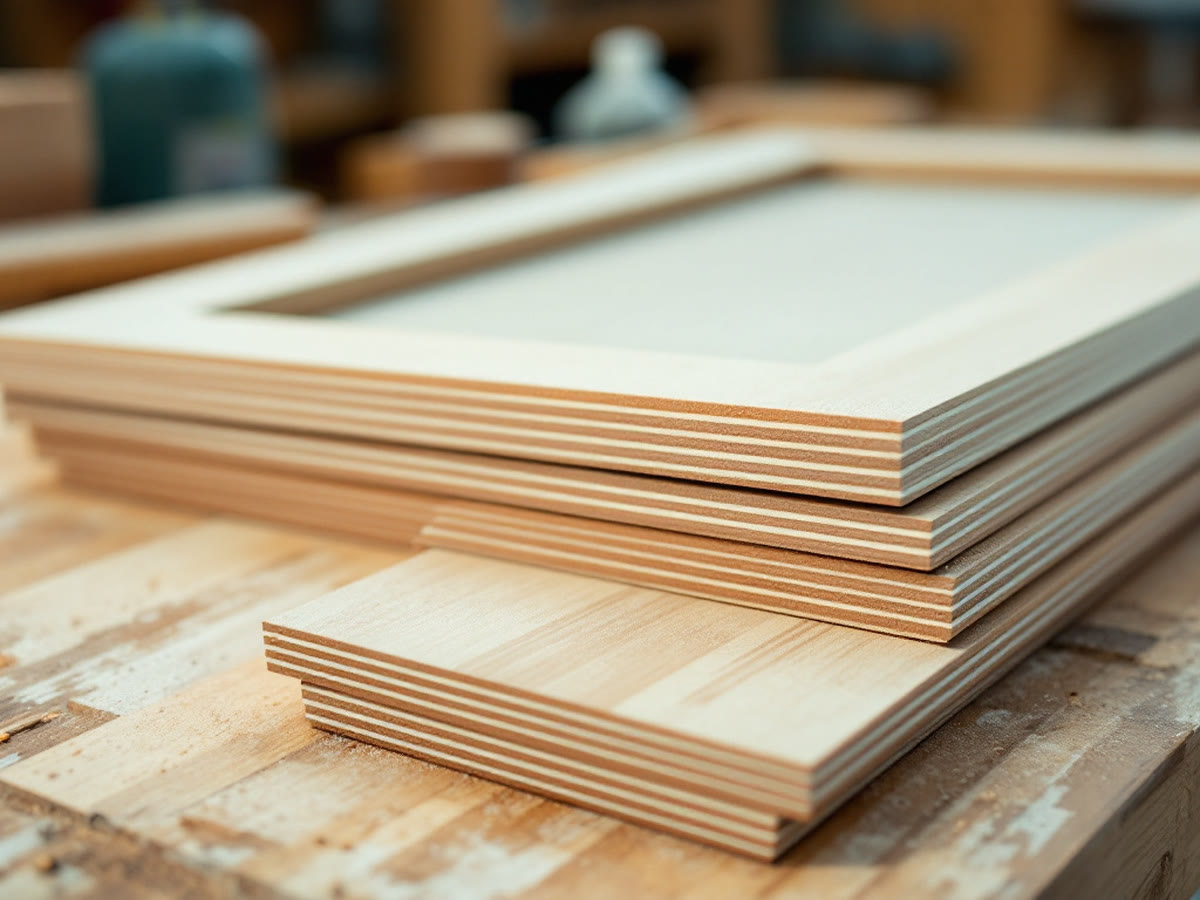
Plywood sofa frames, cut and assembled.

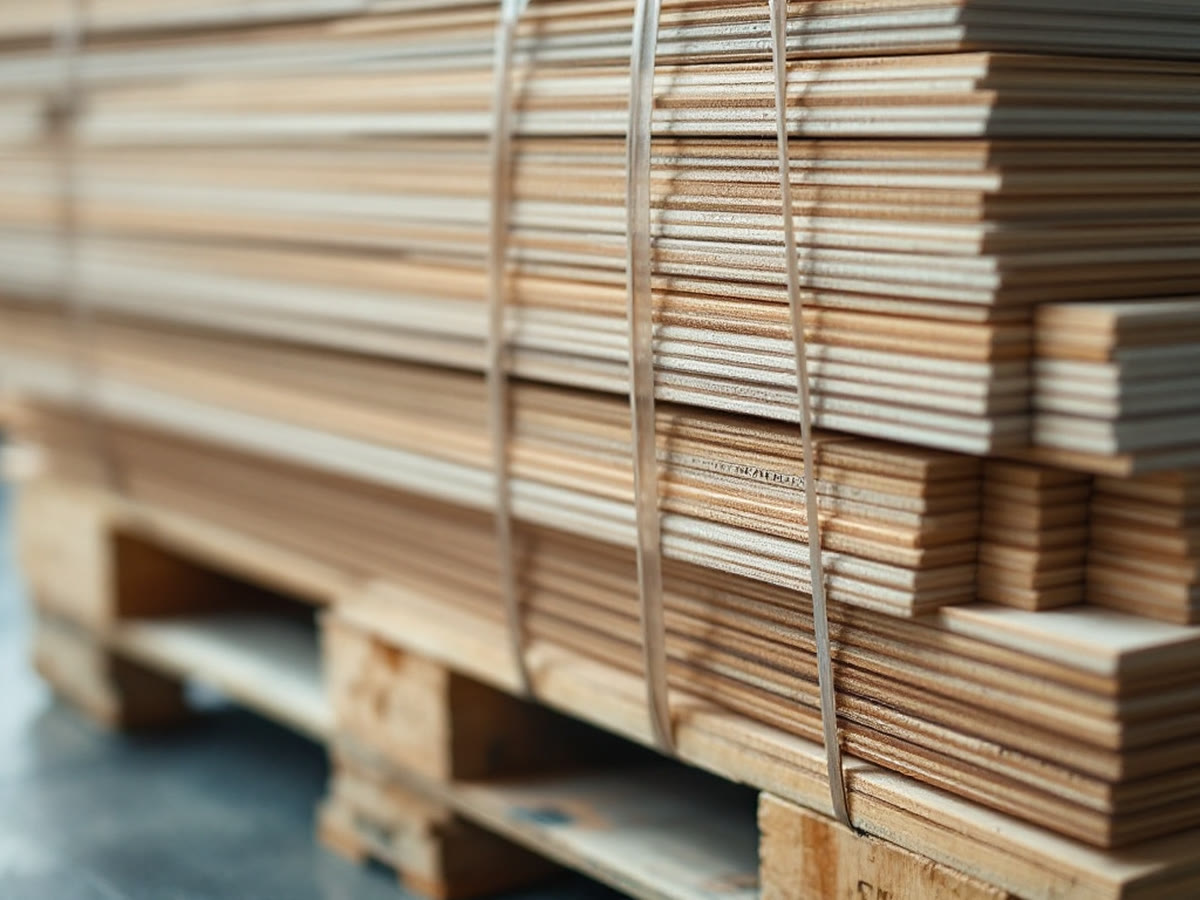
Most jobs arrive as a photo of a finished piece. We read the frame off it, cut the parts on the router, drill and assemble them, then pack them the way a container loads: banded per unit, counted, labelled.

Nesting layout: plywood parts laid out on one 2440 x 1220 mm sheet 01 02 03 04 05 06 07 08 09 10 11 12 13 14 15 16 17 PLY 18 mm 1220 × 2440 NEST 1/1 1:20 2440 mm 1220 mm
One 1220 × 2440 mm sheet, nested: the layout we work out from your photo.

What comes off the router

Plywood frames for anything that gets foam and fabric over it: sofas, armchairs, modular runs, sofa beds, headboards, benches. Cut and assembled in the same building.

Sofa frames

Sides, arms and back rails dowelled and screwed, square enough for the upholstery line to work off.

Armchairs and accent chairs

Narrower frames with curved arms and a shaped back, cut from the same 18 mm board as the run.

Modular and corner units

Corner pieces and chaise ends cut to join the run, so the seams still line up once the covers go on.

Sofa beds and recliners

Mechanism cut-outs and hinge points bored before assembly, so the metal drops straight in.

Headboards and bed bases

Panelled headboards and bed frames, drilled for legs or wall fixings.

Ottomans, benches, stools

Box frames decked flat for webbing or foam, square to the floor.

Two steps under one roof

Cutting and assembly happen in the same building, so a part that comes off the bed wrong is caught before it reaches your line.
Cutting

  • Nesting from the photo, from a sample, or from a DXF if you already have one.
  • Profile, pocket and groove cuts on the router bed.
  • Drilling patterns for dowels, confirmat, hinges and knock-down fittings.
  • Sheets up to 1220 × 2440 mm, 5 to 25 mm thick.
  • Cut tolerance of about ±0.5 mm, checked on the first part of every run.

Assembly

  • Glue and dowel, screw or confirmat, whichever your line is set up for.
  • Jigs and clamps hold the frame square while the glue sets.
  • Hardware test-fitted before packing, loose in the carton if you prefer.
  • Edges sanded, so the upholstery shop is not fixing tear-out.
  • Packed flat and numbered per unit, or assembled if you would rather take them whole.
1220 × 2440 mmLargest sheet we run
5 – 25 mmPlywood thickness
±0.5 mmTypical cut tolerance
1 partFirst-article check, every run
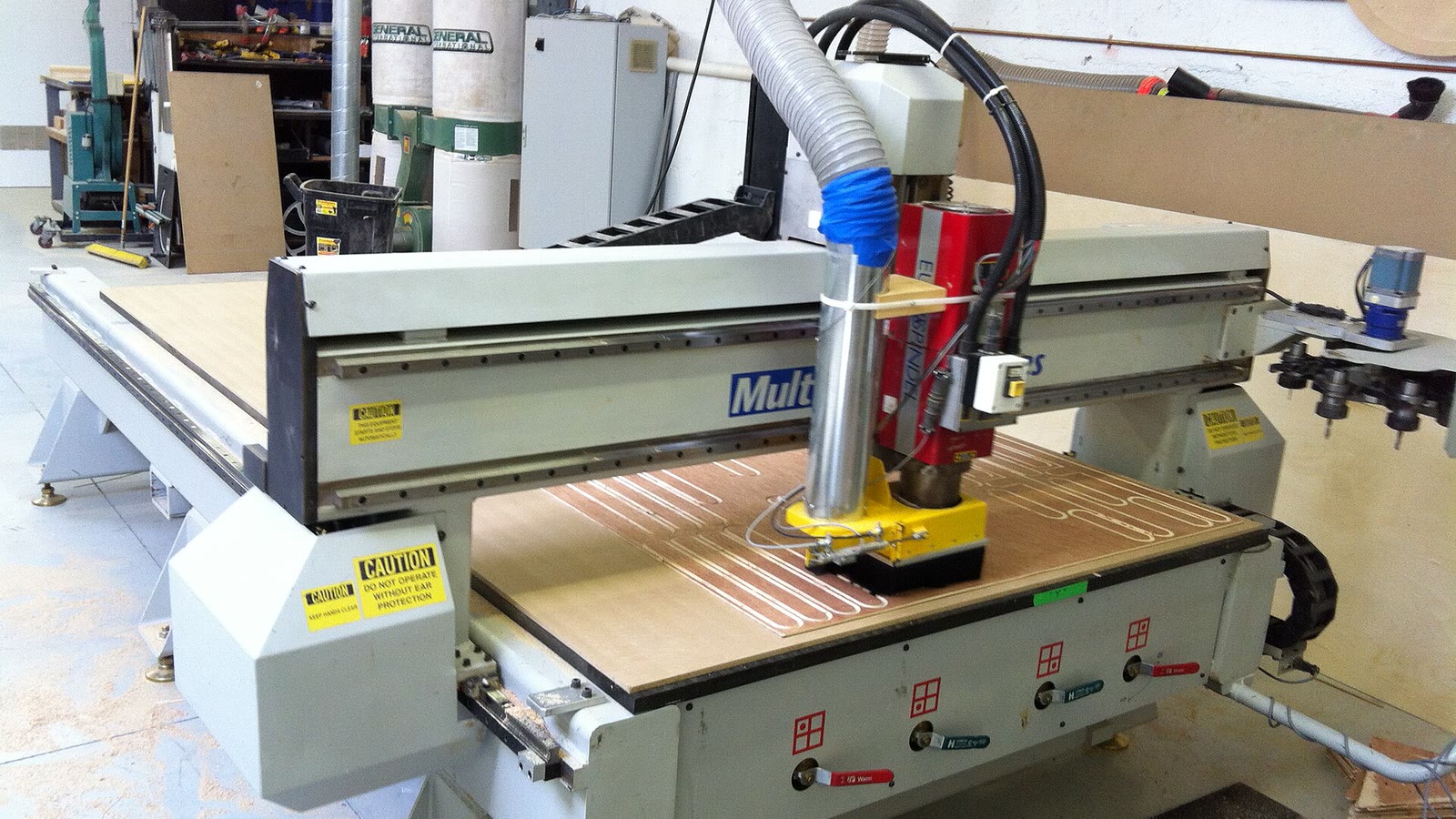
A flatbed router mid-job, dust extraction on, vacuum zones holding the sheet.
A flatbed router mid-job, dust extraction on, vacuum zones holding the sheet.Photo: Brianwcallaghan, CC BY-SA 3.0
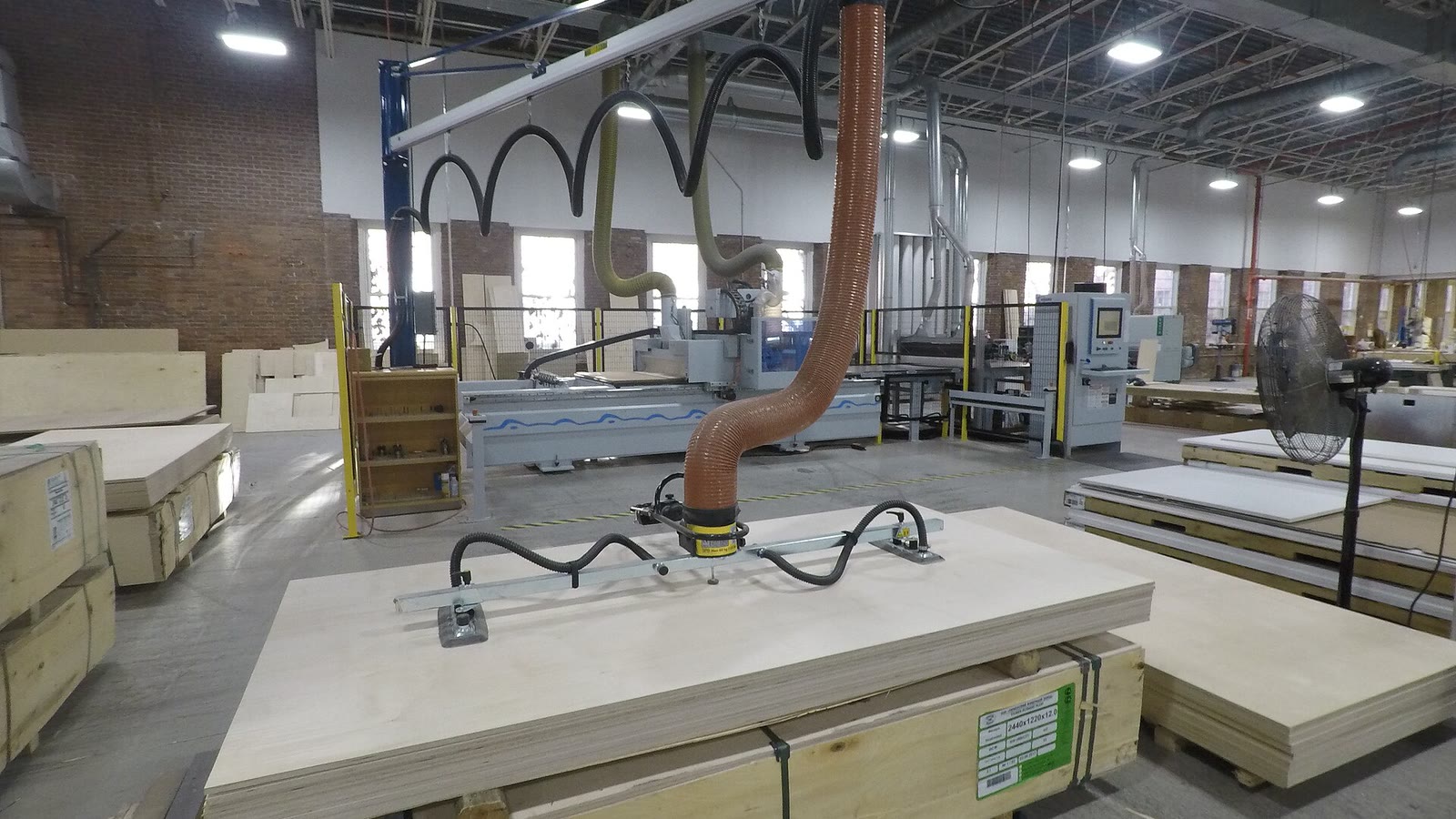
Sheets staged at 1220 × 2440, ready to go on the bed.
Sheets staged at 1220 × 2440, ready to go on the bed.Photo: ChazGoodman, CC BY-SA 4.0

Parts, joints and edges

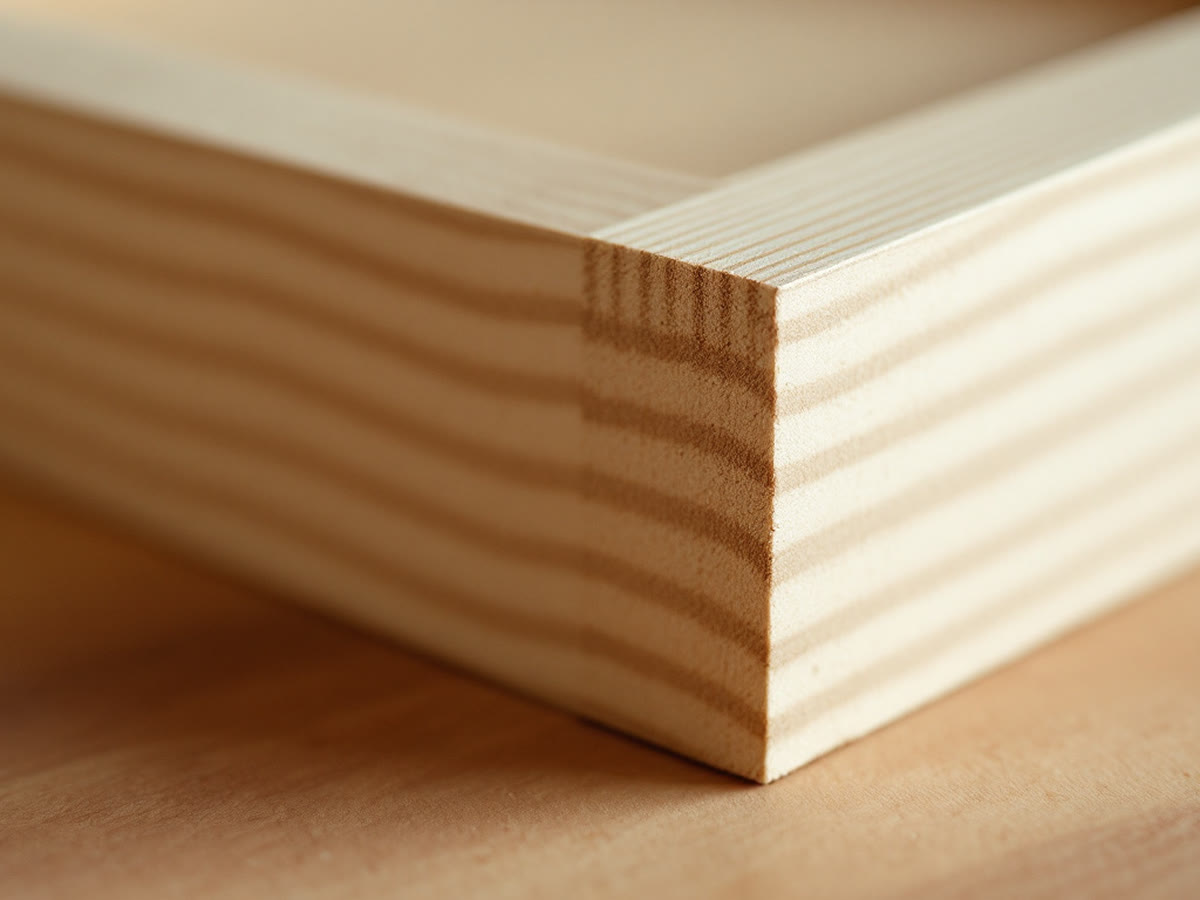
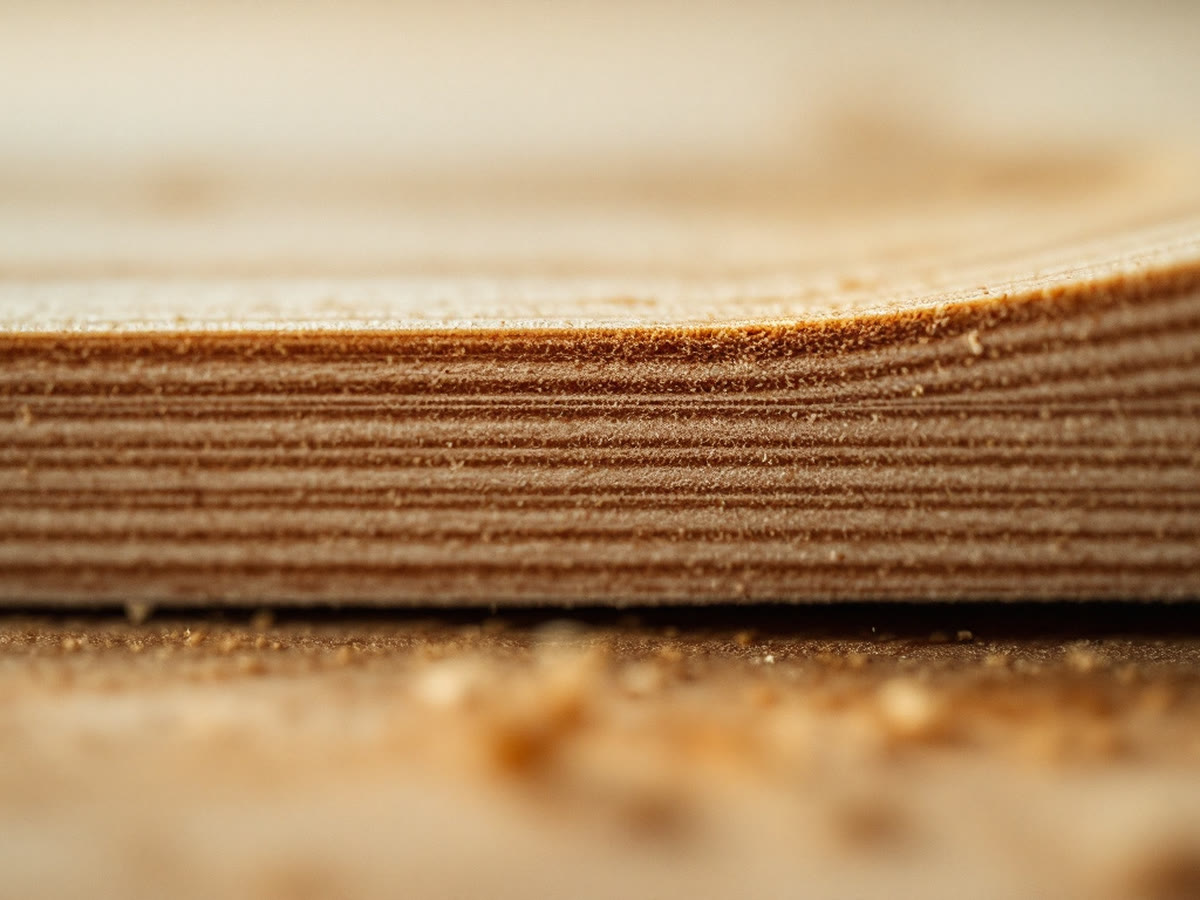
Plywood is the only material we run, so most of the work is in the cut and the joint. Five close-ups of what that looks like.
How an order runs

01

Send a photo

A photo of the finished piece, front and back if you have them. A sample, a shop drawing or a DXF all work too.

02

We read the frame off it

We pull out the parts, the joints and the hardware, and write down what we still need to know before cutting.

03

Sample or first article

One frame or one set, sent for your approval before anything else is cut.

04

Production

Cut and assembled in runs sized to a container, so smaller orders can share one load.

05

Check and pack

Dimensions, squareness, hole positions and face quality, then banded, counted and labelled per unit.

06

Load

Packed to go straight into the container, or delivered to your factory in Bình Dương or Hồ Chí Minh City.

Materials we keep on the rack

Plywood is the default. We cut MDF or HDF when a painted face is wanted and the part does not need to hold a screw.

BoardWhere it goesWhat it does
RubberwoodSofa and chair framesHolds screws and dowels well, machines clean.
Acacia or eucalyptusBed rails, structural framesDenser and stiffer, better thread in thin sections.
Birch or poplarDrawer boxes, visible partsCleaner face, lighter to handle.
MDF / HDFPanels and backsSmooth face for paint. Not for joints under load.

Glue class E0 or E1 as specified. Standard thicknesses 5.5, 9, 12, 15 and 18 mm; other thicknesses on order.

Quality, and who we cut for

What we check before it leaves

  • Every dimension against the approved sample, on the first part of the run.
  • Squareness of assembled frames, measured corner to corner.
  • Hole positions and depths, against the hardware you are fitting.
  • Faces and edges by eye, with tear-out cut out rather than shipped.

Who we cut for

  • Furniture and sofa factories that would rather not run their own frame line.
  • Exporters loading a mixed container from more than one supplier.
  • Other woodshops subcontracting the curved or awkward parts.
  • Smaller shops that buy frames as parts, not assembled.

Send a photo

A photo of a finished piece is enough to start. We read the frame from it, tell you what we still need to know, and quote by the container load.
Chat on ZalosoonMessage on WhatsAppsoon
Address
DT743, Bình Dương, Vietnam
Opening hours
Monday to Saturday, 7:30 – 17:00
Phone / Zalo
being updated
Email
being updated

What to send

  • A photo of the finished piece, front and back if you have them
  • A close-up of a joint, if the frame construction is the question
  • Quantity per container, and how many containers a year
  • Plywood thickness, if the material is already specified
  • When the first container has to arrive

Where we are

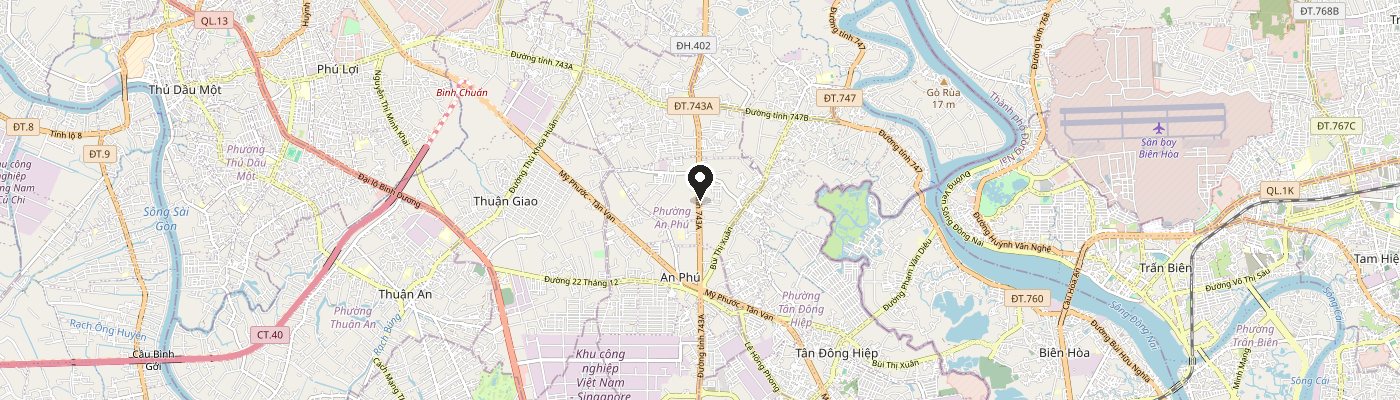
On DT743 in Bình Dương, just north of Thuận An.

10.962083, 106.742278

Open in Google Maps

Where we are

Map © OpenStreetMap contributors